Image: Artwork image rights managed by holding institution; source link provided
View source →The Architect's Table
Pablo Picasso, 1912
Technical Details
Medium
Oil on canvas mounted on panel
Dimensions
72.6 × 59.7 cm (28.6 × 23.5 in)
Style
Analytic Cubism
Decade
1910s
About This Work
Created in Paris in early 1912, The Architect's Table is a seminal painting by Pablo Picasso that exemplifies the rigorous development of Analytic Cubism. Executed in oil on canvas mounted on panel and measuring 72.6 by 59.7 centimeters, the composition presents a complex, fragmented tabletop arrangement characterized by overlapping planes, muted earth tones, and faceted geometric forms. Picasso deconstructs traditional perspective, fracturing everyday objects such as glassware, newspapers, and architectural drawing instruments into intersecting facets that merge with the surrounding spatial grid. The restricted palette of ochres, grays, and browns emphasizes structural form over naturalistic color, inviting viewers to decipher shifting spatial relationships and multiple simultaneous viewpoints. The tactile surface texture and deliberate brushwork underscore the materiality of the canvas, reinforcing the avant-garde challenge to representational illusionism.
During the pivotal years of 1911 and 1912, Picasso and Georges Braque worked in intense dialogue in Paris, forging the radical idiom of Analytic Cubism that permanently altered modern art history. The Architect's Table reflects this intellectual milieu, capturing the artists' fascination with the interplay between fine art, urban popular culture, and modern intellectual pursuits. Shortly after its creation in 1912, the painting entered the prestigious Parisian gallery of Daniel-Henry Kahnweiler, Picasso's principal dealer at the time. Its provenance subsequently includes renowned literary and artistic figures, most notably the American avant-garde writer Gertrude Stein, who acquired the work in 1914 and housed it in her legendary Paris salon through decades of cultural transformation. Following Stein's passing and subsequent estate administration, the piece passed through the Museum of Modern Art Syndicate and media mogul William S. Paley before finding its permanent home in the collection of The Museum of Modern Art in New York, cementing its status as a cornerstone of modernist institutional history.
Current Location
The Museum of Modern Art, New York, United States
Public Collection — Open to visitors
Visit museum website →Collection record status
manual_institutional_review.
Source-linked entry contains a provenance or acquisition statement; full ownership-chain claims remain limited to the cited institution.
Image access: Permission required.
Valuation & Provenance
2026 Estimated Value
Public collection / market value not asserted
* Estimates are based on comparable auction results and market analysis. Not a formal appraisal.
Last Known Sale
No public auction record — held in permanent museum collection
Keywords
Continue Exploring
Related Artworks
Chosen for shared style, era, medium, subject, or date.
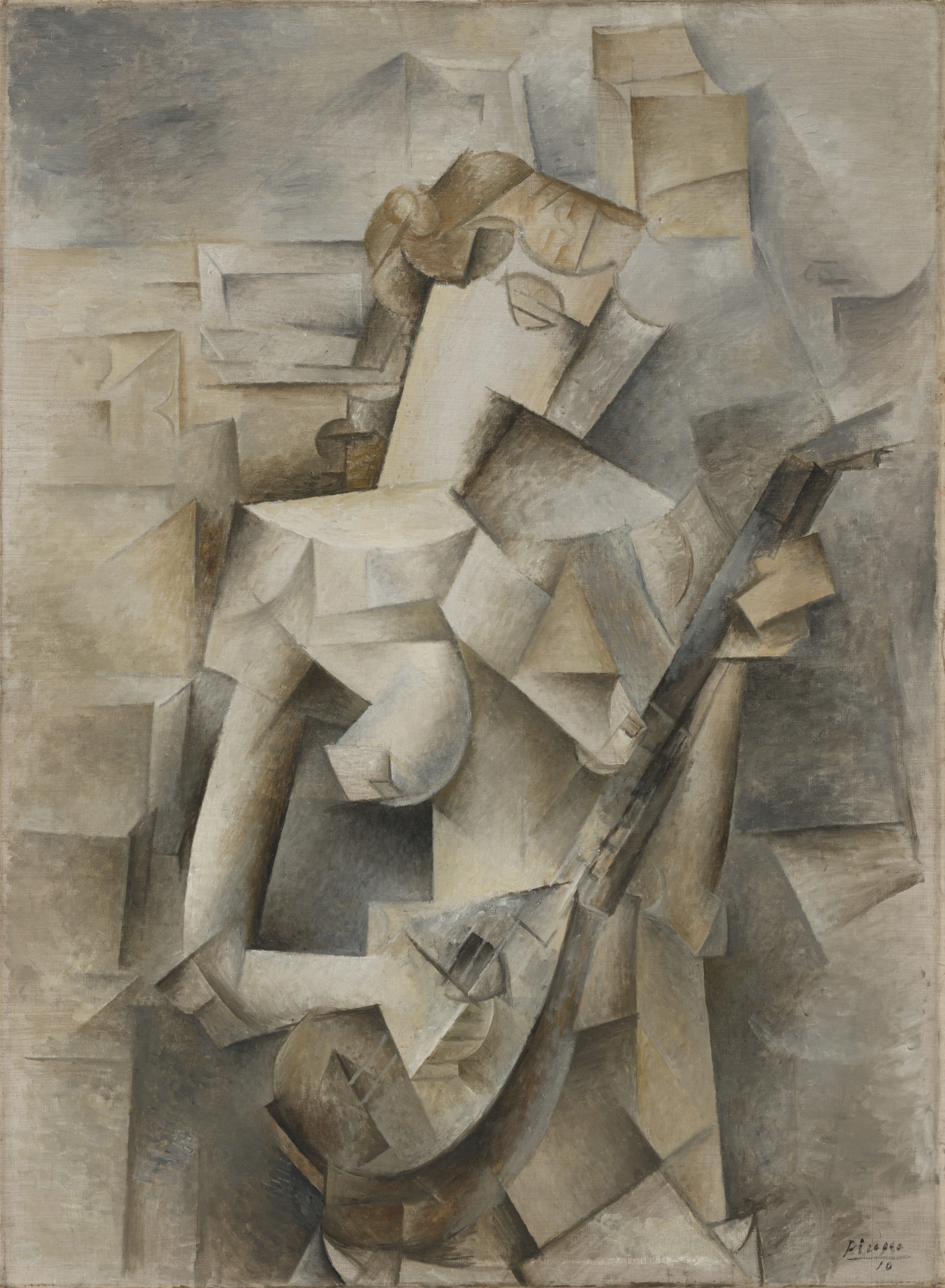
Girl with a Mandolin
1910 · same style · similar medium
Pipe Rack and Still Life on a Table
1911 · same style · similar medium
Still Life with a Bottle of Rum
1911 · same style · similar medium
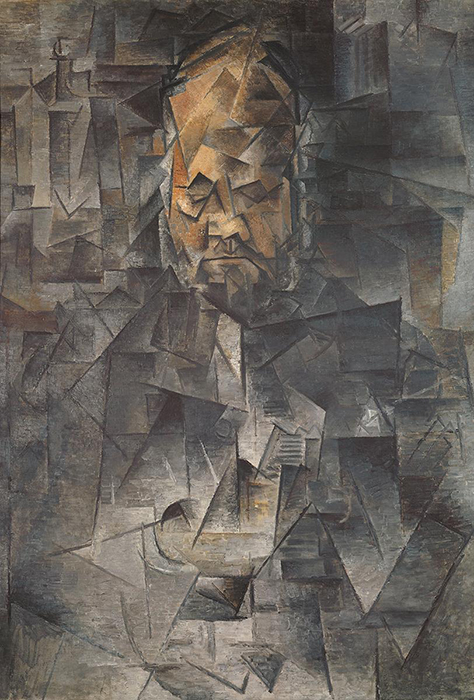
Portrait of Daniel-Henry Kahnweiler
1910 · same style · similar medium
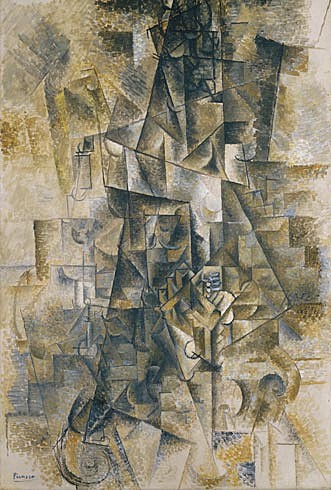
The Accordionist
1911 · same style · similar medium
Man with a Guitar
1912 · same style · similar medium
Shop Related Products
If you love this cubism masterpiece, explore these curated books and resources on Amazon.
Picasso: A Biography by John Richardson
Comprehensive biography exploring Picasso's life and artistic evolution
Picasso Museum Exhibition Catalogs
Official exhibition catalogs from major Picasso retrospectives
Picasso: A Life Documentary
Comprehensive documentary chronicling Picasso's entire artistic journey
As an Amazon Associate, we earn from qualifying purchases. Each product link is unique to help us track which recommendations resonate most with our visitors.