Image: Artwork image rights managed by holding institution; source link provided
View source →The Studio
Pablo Picasso, 1928
Technical Details
Medium
Oil and wax crayon on canvas
Dimensions
161.6 × 129.9 cm (63.6 × 51.1 in)
Style
Synthetic Cubism
Decade
1920s
About This Work
Executed in 1928, The Studio by Pablo Picasso is a striking oil and wax crayon work on canvas that exemplifies the artist's radical experimentation with spatial compression and multi-perspective representation. The composition collapses traditional depth into two tightly integrated dimensions, disrupted primarily by the bold overlapping of a tall, yellow-framed canvas and a vivid red table. Two contrasting green and red apples rest upon the surface, creating an optical vibration through complementary color opposition that forces them onto distinct planes. Picasso deliberately conflates the identities of human figures and inanimate objects; the abstract painting within the work suggests a rudimentary female nude model, with missing anatomical features implied by stark black contour lines and adjacent fruit. Through this layered visual pun, Picasso challenges conventional perception, inviting viewers to connect abstract forms to recognizable elements of nature while preserving his absolute liberty of artistic expression.
Created during a pivotal juncture in Picasso's career in 1928, The Studio reflects the profound artistic shifts following his engagement with both Cubist abstraction and the rising Surrealist movement in Paris. During the late 1920s, Picasso frequently explored the traditional studio interior theme as a meta-artistic device to interrogate the act of creation itself, the relationship between artist and model, and the boundaries of representation. This work was later acquired by visionary patron Peggy Guggenheim, becoming an essential highlight of the Peggy Guggenheim Collection located in Venice, Italy. The painting encapsulates the restless inventiveness of the interwar modernist period, where Picasso dismantled classical spatial hierarchies to construct a multifaceted visual vocabulary. Its inclusion in the collection underscores Guggenheim's astute eye for acquiring defining masterpieces of twentieth-century avant-garde art that bridged rigorous formal structure with psychological resonance.
Current Location
Peggy Guggenheim Collection, Venice, Italy
Public Collection — Open to visitors
Visit museum website →Collection record status
Live institutional record fetched.
Source-linked entry contains a provenance or acquisition statement; full ownership-chain claims remain limited to the cited institution.
Image access: Permission required.
Valuation & Provenance
2026 Estimated Value
Public collection / market value not asserted
* Estimates are based on comparable auction results and market analysis. Not a formal appraisal.
Last Known Sale
No public auction record — held in permanent museum collection
Keywords
Continue Exploring
Related Artworks
Chosen for shared style, era, medium, subject, or date.
Mandolin and Guitar
1924 · same style · similar medium
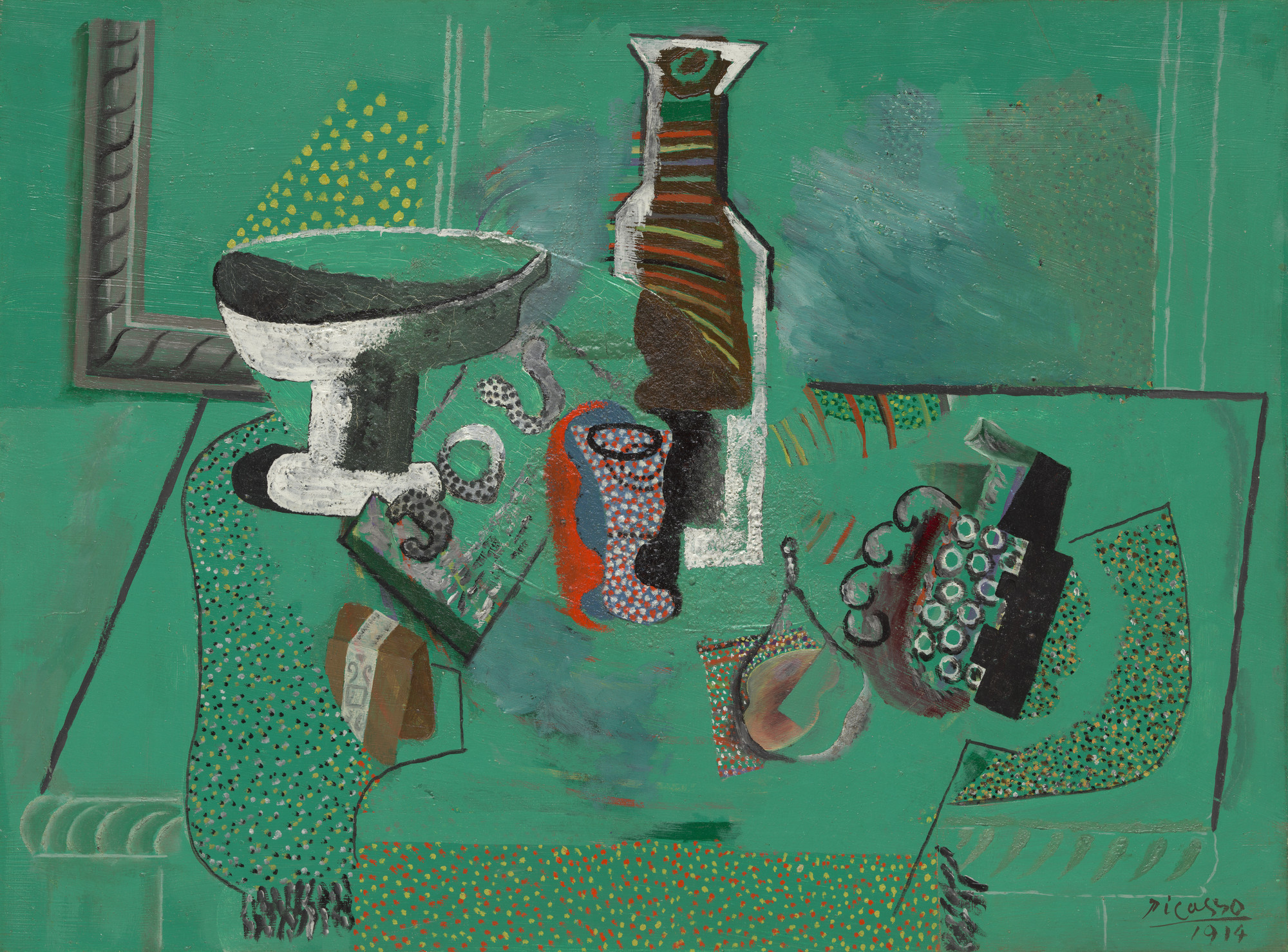
Green Still Life
1914 · same style · similar medium
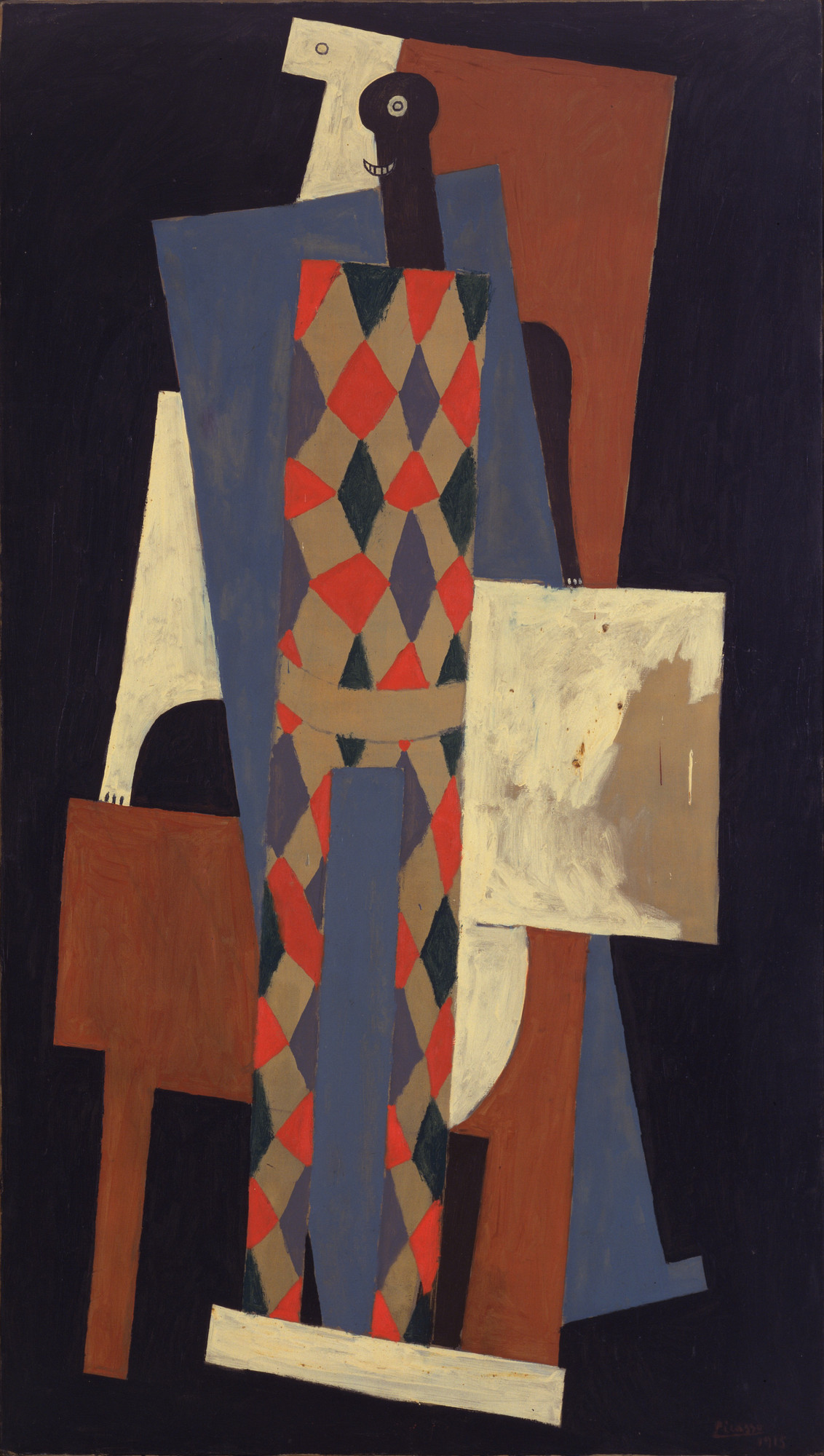
Harlequin
1915 · same style · similar medium
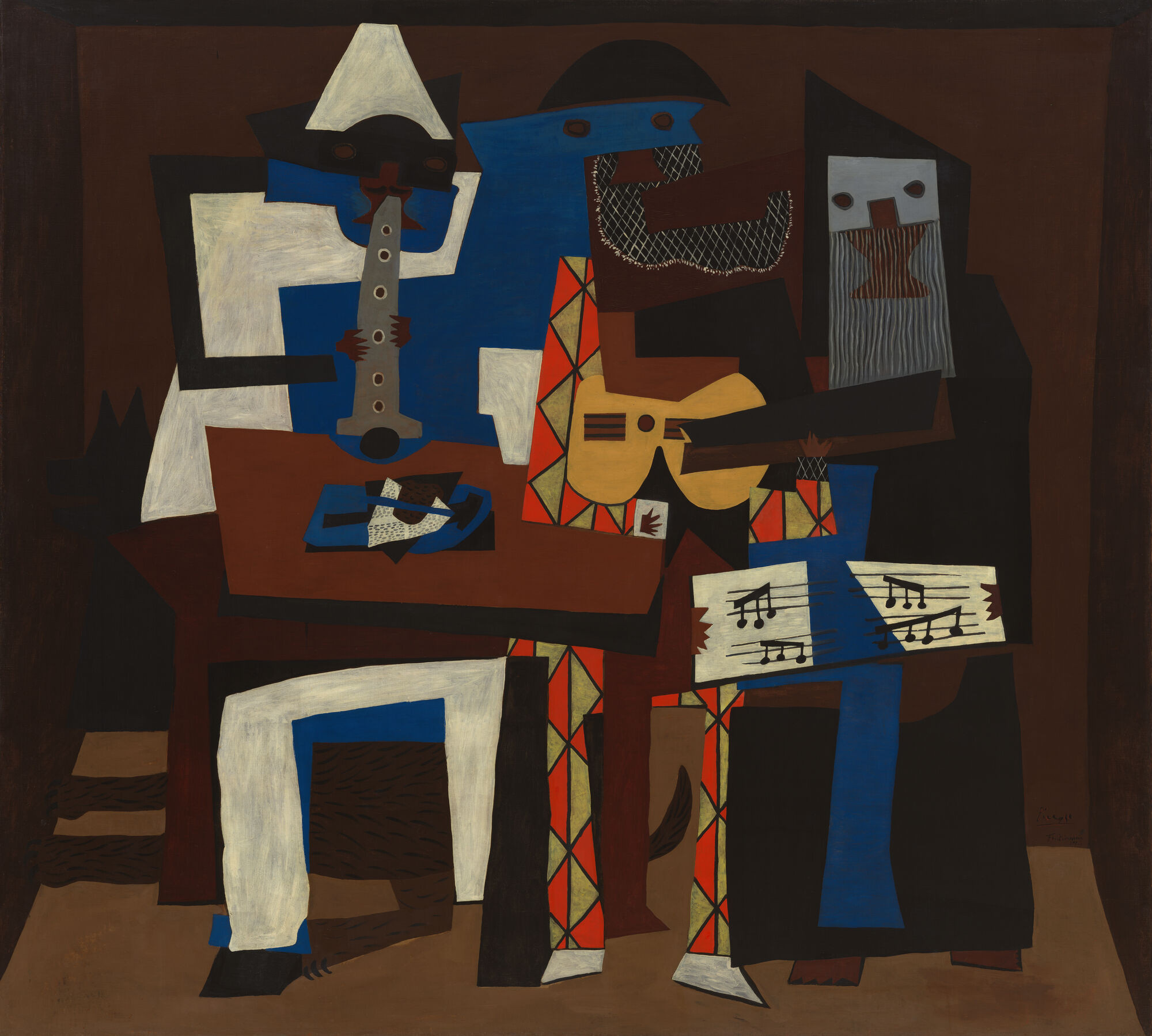
Three Musicians
1921 · same style · similar medium
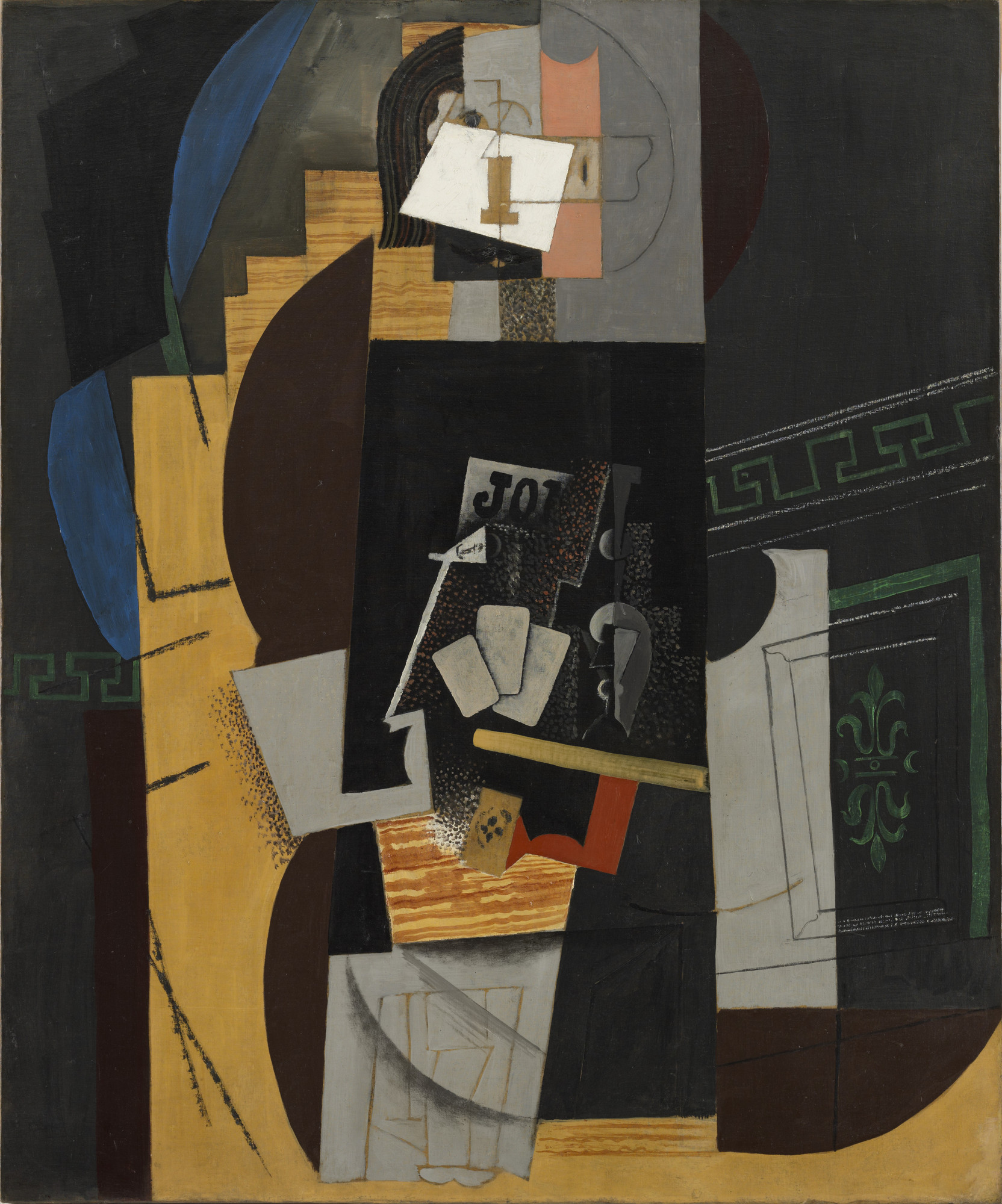
Card Player
1913–1914 · same style · similar medium
Glass and Bottle of Suze
1912 · same style · similar medium
Shop Related Products
If you love this modern period masterpiece, explore these curated books and resources on Amazon.
Picasso: A Biography by John Richardson
Comprehensive biography exploring Picasso's life and artistic evolution
Picasso Museum Exhibition Catalogs
Official exhibition catalogs from major Picasso retrospectives
Picasso: A Life Documentary
Comprehensive documentary chronicling Picasso's entire artistic journey
As an Amazon Associate, we earn from qualifying purchases. Each product link is unique to help us track which recommendations resonate most with our visitors.