Image: Artwork image rights managed by holding institution; source link provided
View source →The Dream and Lie of Franco II
Pablo Picasso, 1937
Technical Details
Medium
Etching and sugar-lift aquatint
Dimensions
31.6 × 42.1 cm (12.4 × 16.6 in)
Style
Surrealism
Decade
1930s
About This Work
Created in 1937 by Pablo Picasso, The Dream and Lie of Franco II is a powerful etching and sugar-lift aquatint print measuring 31.6 by 42.1 centimeters for the plate, housed in The Metropolitan Museum of Art. The composition is structured as a narrative sequence divided into distinct grid-like panels that satirize and condemn the nationalist regime of Generalissimo Francisco Franco. Rendered in a biting Surrealist and expressionist idiom, the imagery features grotesque, monstrous transformations of the dictator. In the upper registers, Franco is portrayed as a repulsive, grinning creature disembowelling his own horse, followed by harrowing depictions of warfare, destruction, and desperate civilian suffering. Later panels introduce dramatic confrontations between the tyrant and a raging bull, symbolizing the indomitable spirit of Spain. Picasso’s masterful draftsmanship combines stark linear contours with deep tonal aquatint shading, creating an intensely visceral visual polemic. The work merges nightmarish surrealist iconography with searing political commentary, capturing the horror and tragedy of the Spanish Civil War.
Initiated on January 8, 1937, The Dream and Lie of Franco II was conceived directly in response to the outbreak of the Spanish Civil War and commissioned by the Spanish Republican Government. Picasso produced this print alongside its companion plate as an active political weapon, intending to sell reproductions as postcards to raise funds for the republican cause. The historical urgency of the project escalated dramatically following the devastating bombing of the Basque town of Guernica by fascist allied aircraft on April 26, 1937. In response, Picasso added four final scenes to the plate on June 7, 1937, which directly informed his monumental mural Guernica. Published with printer Roger Lacourière in Paris, the prints reflect Picasso’s fierce anti-fascist commitment and his role as an official artistic representative of the Spanish Republic. Acquired by The Metropolitan Museum of Art in 1986 as a gift from Mr. and Mrs. E. Powis Jones, this etching stands as a landmark document of political art, merging modernist experimentation with direct moral outrage against tyranny.
Current Location
The Metropolitan Museum of Art, New York, United States
Public Collection — Open to visitors
Visit museum website →Collection record status
manual_institutional_review.
Source-linked entry contains a provenance or acquisition statement; full ownership-chain claims remain limited to the cited institution.
Image access: Permission required.
Valuation & Provenance
2026 Estimated Value
Public collection / market value not asserted
* Estimates are based on comparable auction results and market analysis. Not a formal appraisal.
Last Known Sale
No public auction record — held in permanent museum collection
Keywords
Continue Exploring
Related Artworks
Chosen for shared style, era, medium, subject, or date.
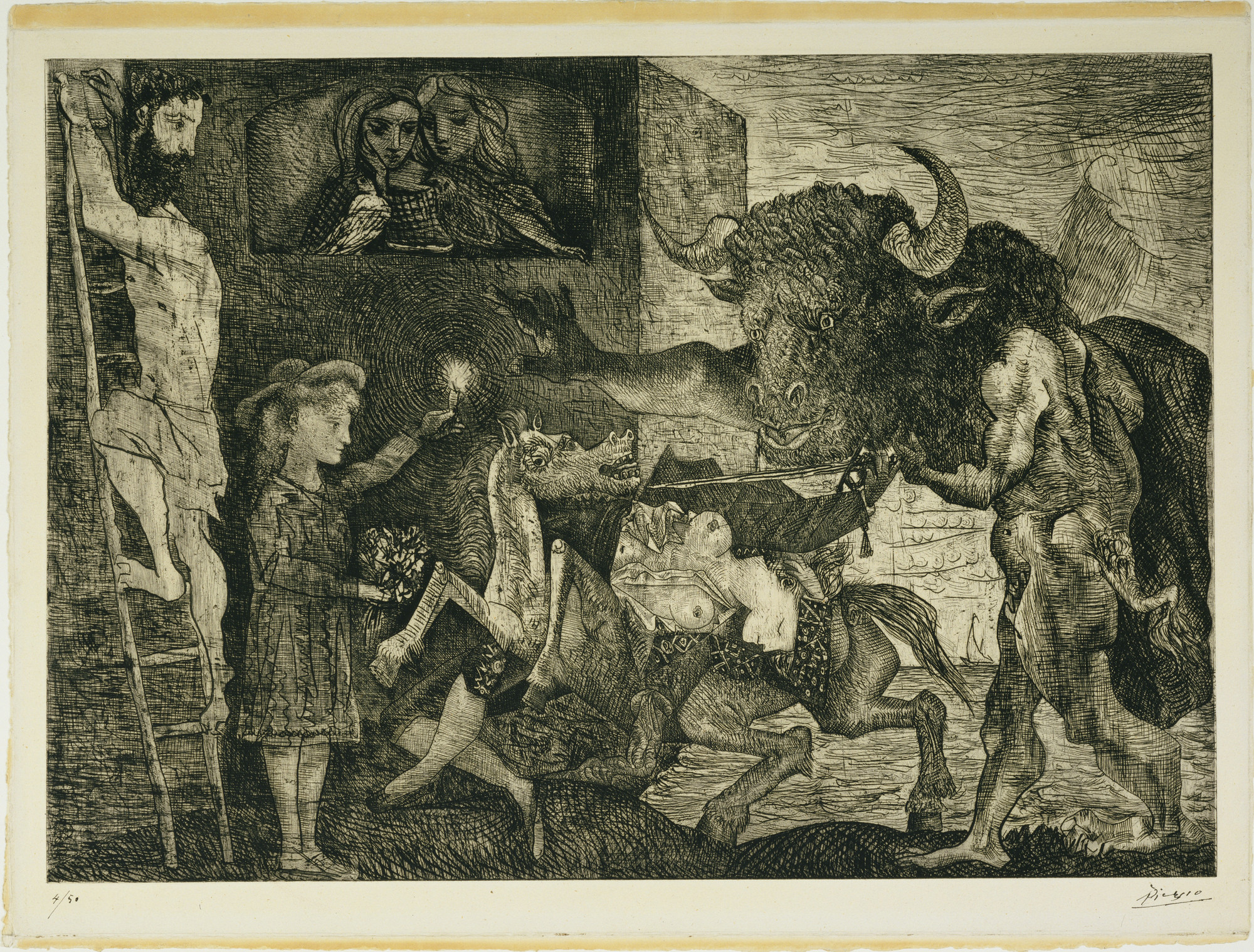
Minotauromachy
1935 · same style · same era
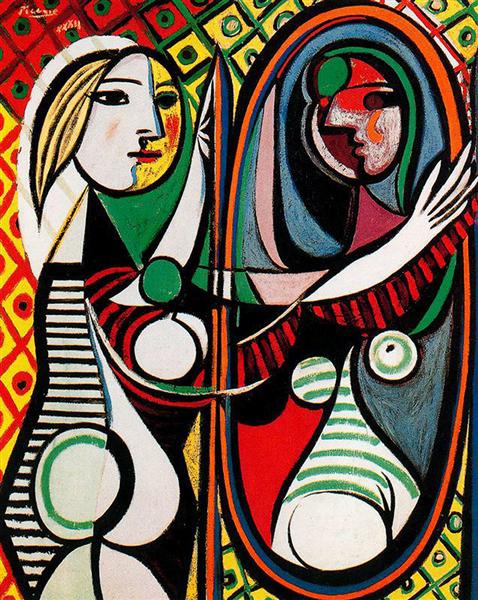
Girl Before a Mirror
1932 · same style · same era
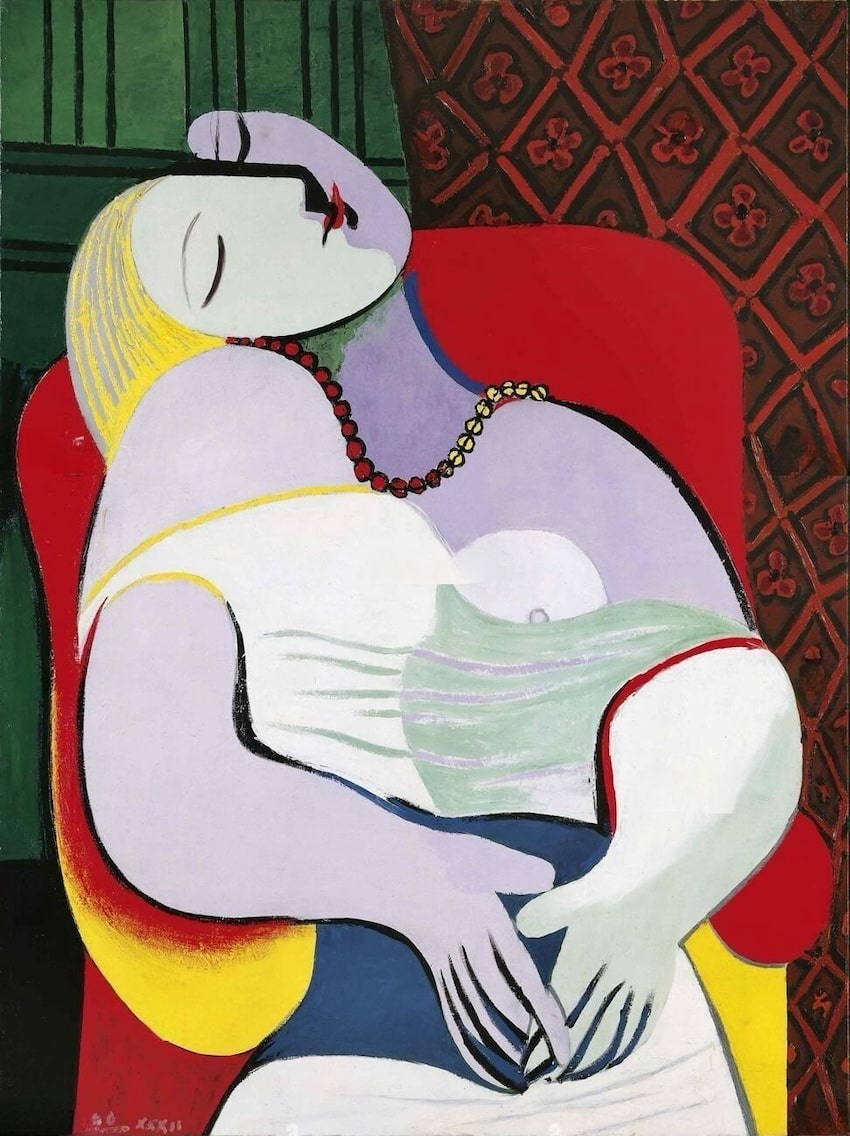
Le Reve (The Dream)
1932 · same style · same era
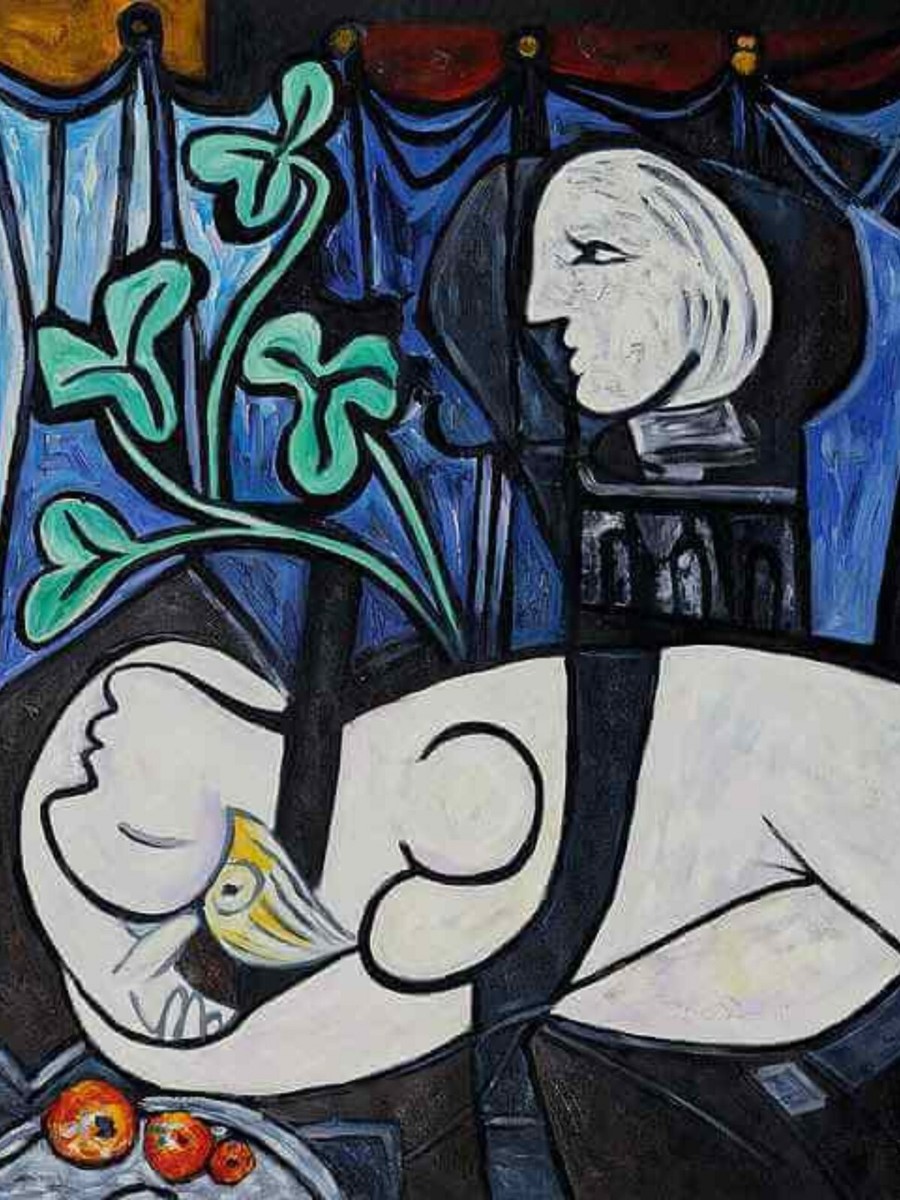
Nude, Green Leaves and Bust
1932 · same style · same era
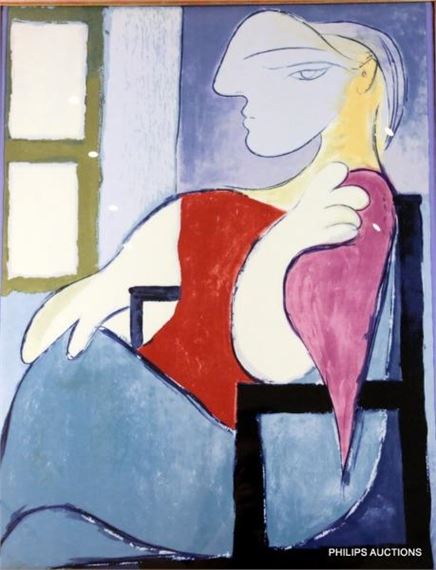
Femme assise pres d'une fenetre (Marie-Therese)
1932 · same style · same era
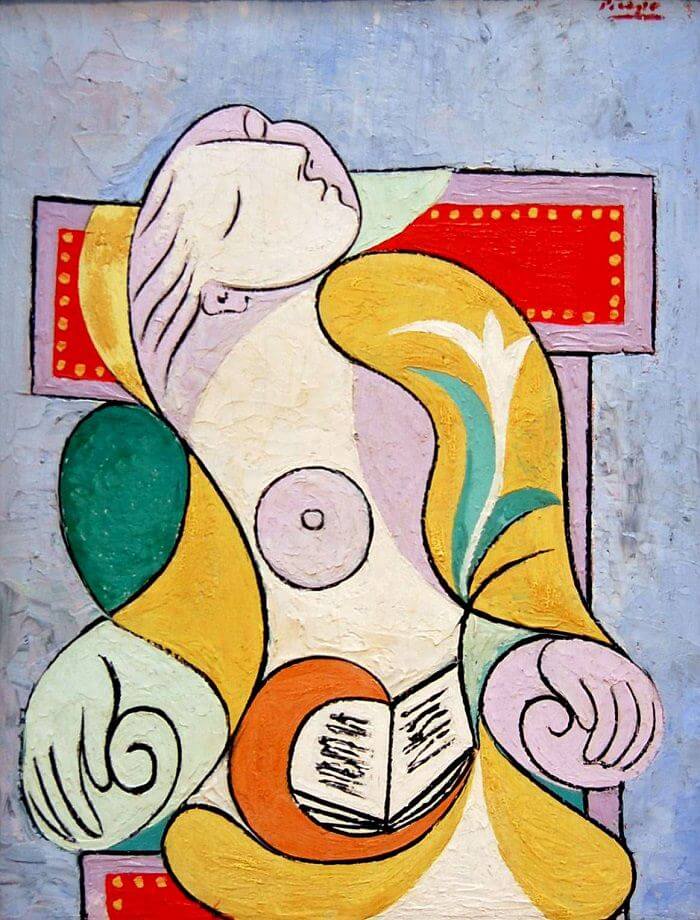
La Lecture (Marie-Therese)
1932 · same style · same era
Shop Related Products
If you love this surrealist period masterpiece, explore these curated books and resources on Amazon.
Picasso: A Biography by John Richardson
Comprehensive biography exploring Picasso's life and artistic evolution
The Weeping Woman Art Print
Striking Surrealist portrait from Picasso's emotional period
Picasso: A Life Documentary
Comprehensive documentary chronicling Picasso's entire artistic journey
As an Amazon Associate, we earn from qualifying purchases. Each product link is unique to help us track which recommendations resonate most with our visitors.