Image: Artwork image rights managed by holding institution; source link provided
View source →Chat saisissant un oiseau
Pablo Picasso, 1939
Technical Details
Medium
Oil on canvas
Dimensions
81 × 100 cm (31.9 × 39.4 in)
Style
Surrealism
Decade
1930s
About This Work
Painted on April 22, 1939, during a period of profound geopolitical darkness and impending war, "Chat saisissant un oiseau" (Cat Catching a Bird) is an arresting and forceful oil painting on canvas by Pablo Picasso measuring 81 by 100 centimeters. The composition presents a dramatic and violent confrontation between a ferocious, feral cat and a wounded, blood-streaked bird. The cat is rendered with striking planar contours and a simplified, mask-like face featuring hypnotic black-and-white eyes and sharp, radiating claws that evoke a terrifying, demon-like presence. In stark contrast, the bird is depicted in brutal hues of crimson and black, crushed within the predator’s relentless grasp. Picasso employs an economical yet intensely expressive palette and flat planes of color, focusing attention entirely on the brutal clash of the figures against a darkened, atmospheric background. This powerful pictorial construction transforms a predatory encounter into an unforgettable allegory of violence, aggression, and existential dread.
Created in Paris on April 22, 1939, "Chat saisissant un oiseau" reflects the profound historical trauma and political turmoil that overshadowed Europe on the eve of the Second World War. The fall of Barcelona in January and Madrid in March 1939, coupled with the collapse of the Spanish Republic and the rise of Franco’s dictatorship, deeply impacted Picasso, who weaponized his imagery through a menacing bestiary rather than direct political reportage. As documented in official institutional records from the Musée Picasso Paris, where the work entered via the historic Dation Pablo Picasso in 1979 under inventory number MP178, the domestic cat—historically portrayed by Picasso as a playful or decorative companion—mutates here into a terrifying creature of aggression and raw survival. Curator Nathalie Leleu notes that Picasso famously described feral cats during the Occupation as fierce demons ready to attack. Through this visceral predator-prey dynamic, Picasso captured the pervasive climate of fear, brutality, and impending catastrophe gripping Europe. The documented holding collection is Musée national Picasso-Paris, Paris, France; its direct institutional object record (https://cep.museepicassoparis.fr/explorer/chat-saisissant-un-oiseau-mp?lang=en) is retained as the factual source for the catalog entry and its provenance trail.
Current Location
Musée national Picasso-Paris, Paris, France
Public Collection — Open to visitors
Visit museum website →Collection record status
manual_institutional_review.
Source-linked entry contains a provenance or acquisition statement; full ownership-chain claims remain limited to the cited institution.
Image access: External source link or fallback.
Valuation & Provenance
2026 Estimated Value
Public collection / market value not asserted
* Estimates are based on comparable auction results and market analysis. Not a formal appraisal.
Last Known Sale
No public auction record — held in permanent museum collection
Keywords
Continue Exploring
Related Artworks
Chosen for shared style, era, medium, subject, or date.
Interior with a Girl Drawing
1935 · same style · similar medium
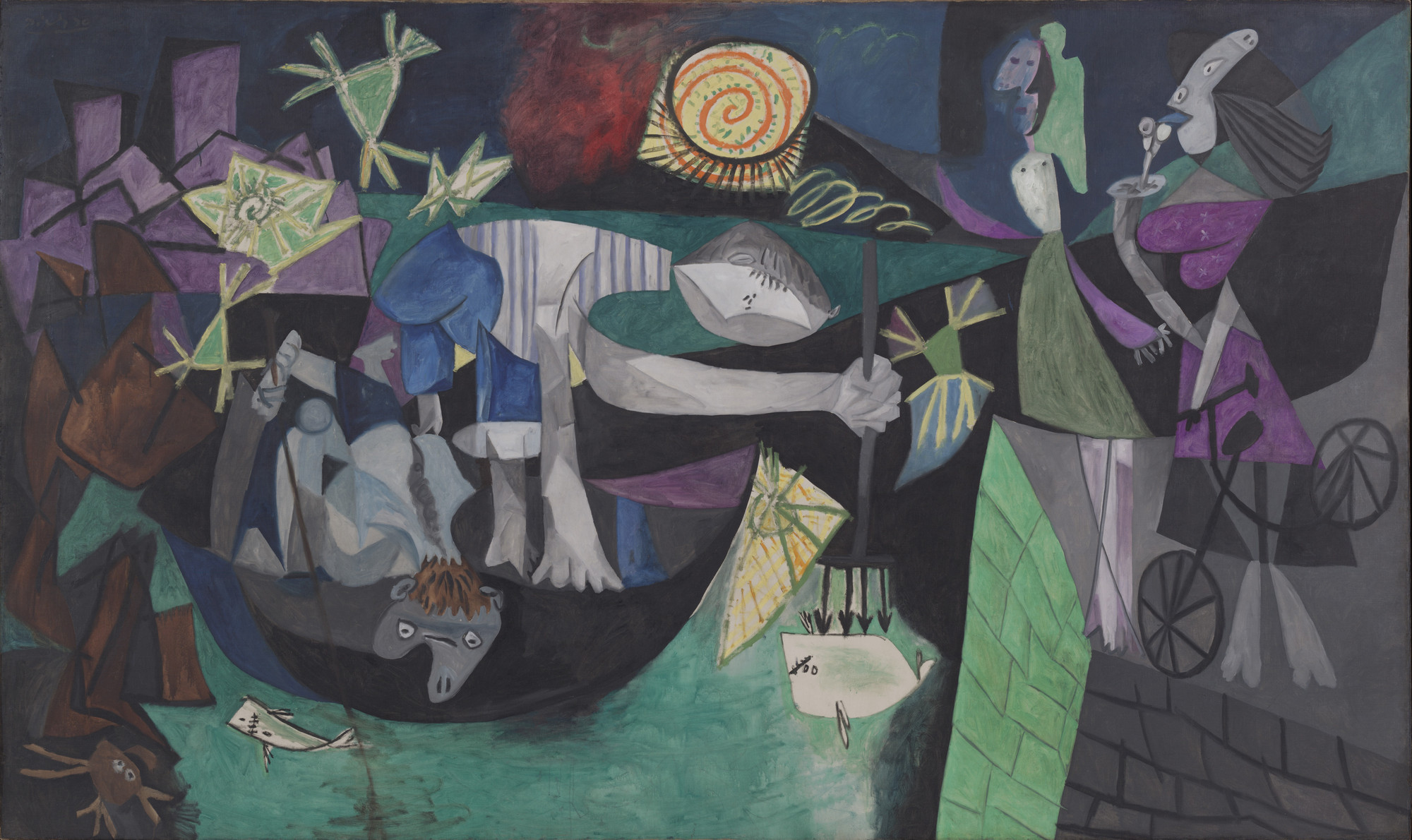
Night Fishing at Antibes
1939 · same style · similar medium
Painter and Model
1928 · same style · similar medium
Figures at the Seaside (Figures au bord de la mer)
1931 · same style · similar medium
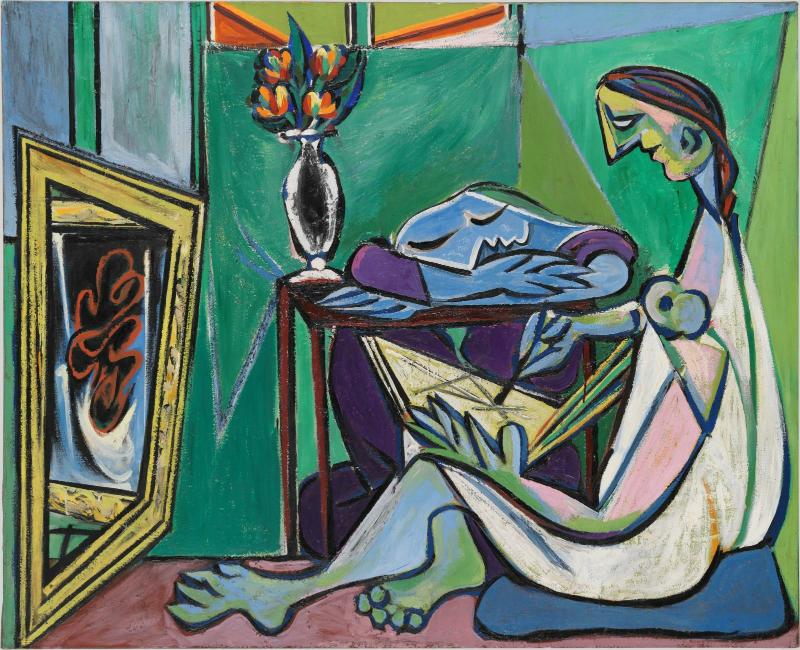
The Muse
1935 · same style · similar medium
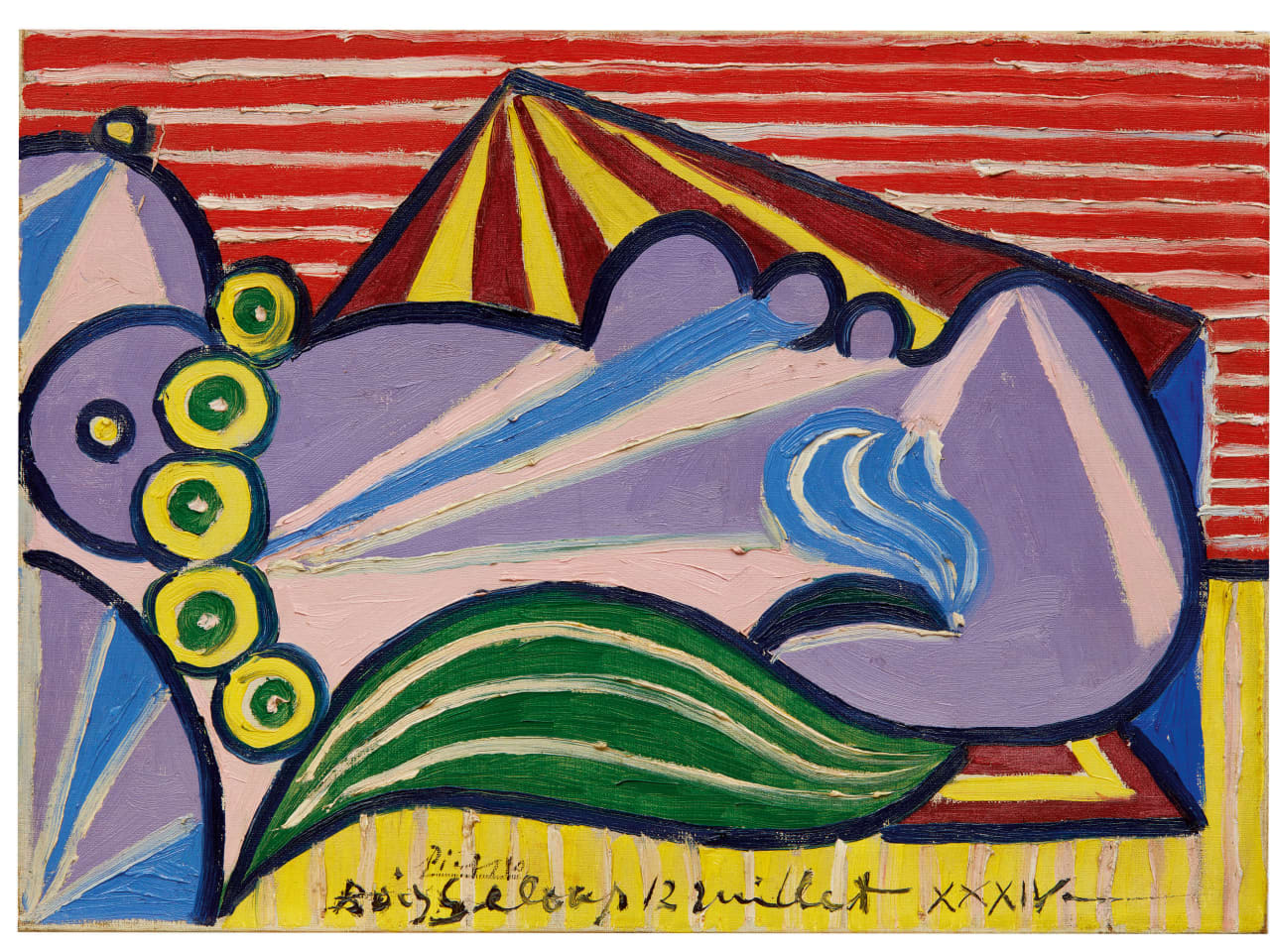
Sleeping Woman
1935 · same style · similar medium
Shop Related Products
If you love this modern art masterpiece, explore these curated books and resources on Amazon.
Picasso: A Biography by John Richardson
Comprehensive biography exploring Picasso's life and artistic evolution
Picasso Museum Exhibition Catalogs
Official exhibition catalogs from major Picasso retrospectives
Picasso: A Life Documentary
Comprehensive documentary chronicling Picasso's entire artistic journey
As an Amazon Associate, we earn from qualifying purchases. Each product link is unique to help us track which recommendations resonate most with our visitors.